

If you’ve been around portable HF for any amount of time, you’ve almost certainly seen Chameleon Antenna products. They’re everywhere. YouTube reviews praise them, influencers take them on POTA activations, and they’re often marketed as the ultimate all-in-one portable antenna solution.
I’ve bought into that ecosystem. Not because I was sponsored (I wasn’t), and not because I was given free gear (I wasn’t). I own a lot of it, all bought with my own money.
Quick Verdict
- Chameleon gear works, and I’ve made plenty of contacts with it
- You’re paying a real premium for branding and convenience, not for extra RF performance
- The biggest weak point is feedpoint efficiency on the Hybrid and Mini systems
- The Porta Mast is the one product in the lineup I’d buy again without hesitation
- If you’re optimizing for value per dollar, there are better places to put your money
If you’re still figuring out where a portable antenna system fits in your first station, my Building Your First Ham Radio Station guide walks through the full priority list, including where antennas should sit on your spending plan.
My Chameleon Collection
Since getting into amateur radio I’ve accumulated:
Feedpoints & Antennas
- CHA MPAS 2.0 (Modular Portable Antenna System 2.0)
- Two CHA SS25 25-foot whips
- Two CHA SS17 17-foot whips
- CHA FSR (Faraday Strip Radial System)
- CHA MCC 2.0 (Multi-Configuration Coil)
- CHA LEFS 40/10 with CHA LINK D15
- CHA TDL (Tactical Dipole Lite)
Masts, Mounts & Accessories
- Two CHA PORTA MAST 25′
- CHA CFM 34′ Carbon Fiber Mast
- CHA CFM 16′ Carbon Fiber Mast
- 10x CHA Quick Disconnect Mounts (I really like these)
- CHA Stinger Kit
Every single one of these products was purchased with my own money. None of it was provided to me for review, I don’t have an affiliate relationship with Chameleon, and I’ve never been sponsored by them. These opinions come from actually using the equipment in the field, not from unboxing it for a YouTube video.
Does Chameleon Make Bad Equipment?
No. Absolutely not. This isn’t a “Chameleon is junk” article because that simply isn’t true. The equipment works. I’ve made plenty of contacts using it. I’ve had successful field deployments.
If your goal is simply to get on the air, Chameleon products will absolutely accomplish that.
But…
I do believe they’re significantly overpriced for what you get. That doesn’t mean the products don’t function. It means I don’t think the performance justifies the asking price, especially after comparing them to other antenna systems. You are paying 1.5 to 3x the price, simply for the marketing and influencer system, not for extra performance.
The Biggest Issue: Efficiency
This is where my biggest criticism lies.
In my experience, the CHA Hybrid and CHA Mini feedpoint systems introduce considerably more loss than many competing antenna solutions. Can you still make contacts? Absolutely. Will they tune? Always. Will they work across multiple bands? Yes.
But “working” and “working efficiently” are two very different things. As I’ve experimented with other antennas, I’ve consistently found systems that cost substantially less while delivering the same or better efficiency.
That’s difficult to ignore once you’ve seen it firsthand. Here’s roughly how I’d stack the Chameleon feedpoint approach up against two alternatives I’ve actually used, based on my own field experience rather than a bench measurement:
| Setup | Price Tier | Feedpoint Efficiency (My Experience) | Learning Curve |
|---|---|---|---|
| Chameleon MPAS 2.0 (Hybrid/Mini feedpoint) | Premium (~$600+) | Noticeably lossy on some bands | Very low, plug and play |
| CaHR Hydra | Mid-range | Far Better | Low, still close to plug and play |
| Home-built EFHW or random wire | Budget | Far Better | Moderate, requires some antenna theory |
The MPAS System
The MPAS 2.0 is probably the product most people think about when they hear “Chameleon.” Honestly? It’s incredibly convenient. Everything fits together nicely. The documentation is clear. The components are modular. It’s easy to deploy. For someone completely new to portable HF, that’s valuable. I cover this specific unit in more depth in The Chameleon MPAS 2.0: The Compromise.
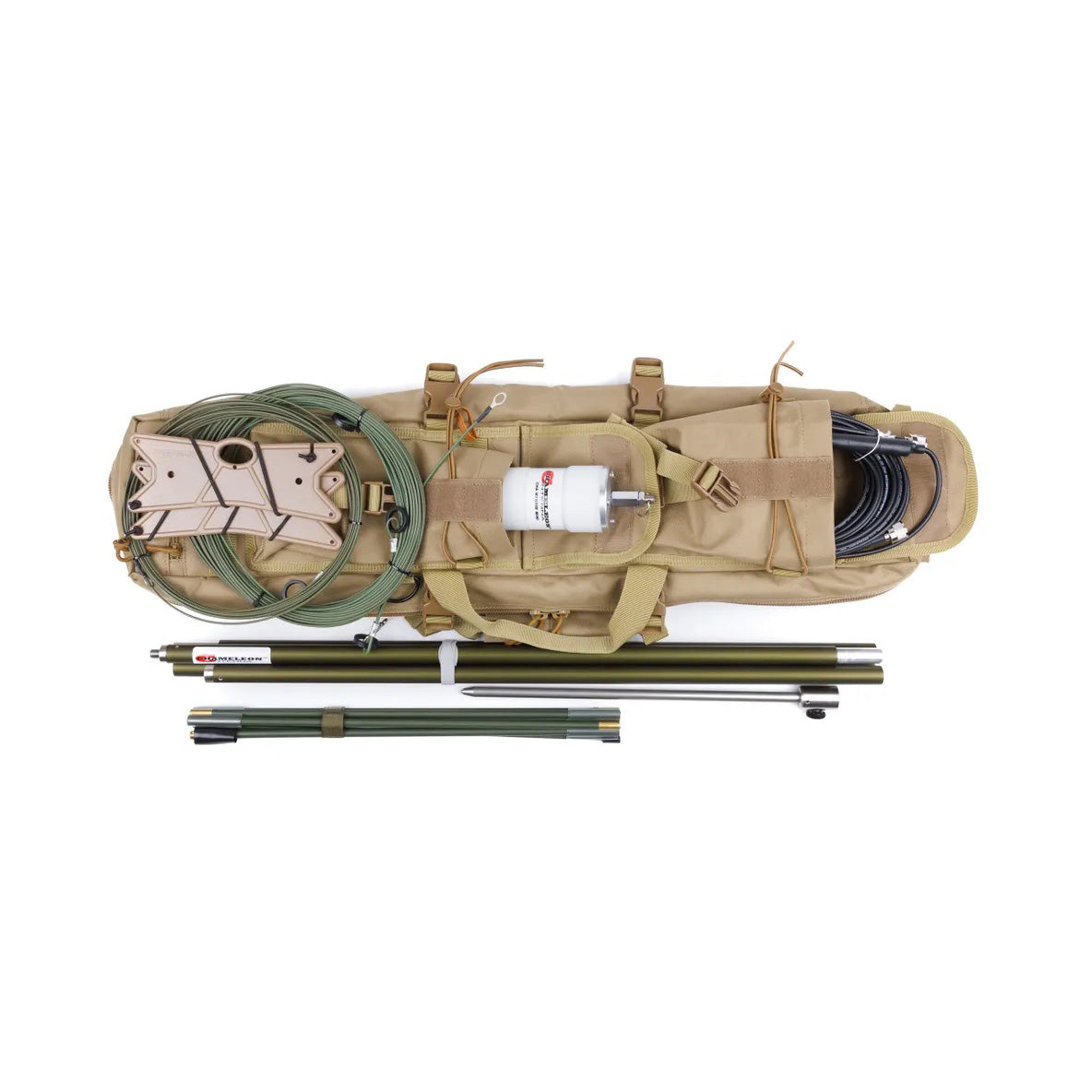
The downside is that convenience comes at a premium price and, in my opinion, at the expense of efficiency.
The Porta Mast
Now here’s where I think Chameleon really shines. The Porta Mast is excellent.
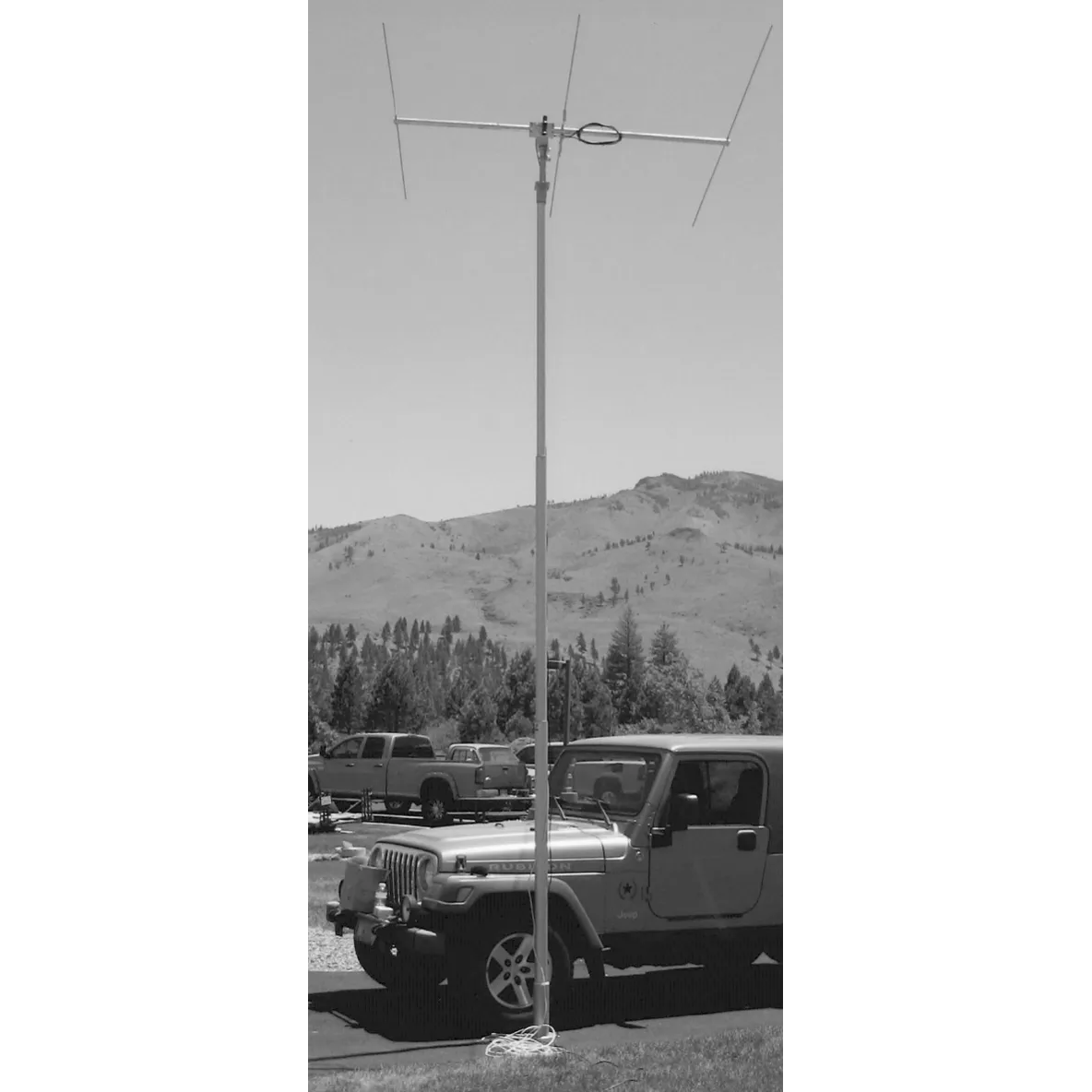
I own two of the 25-foot versions for a reason. They’re lightweight. They’re easy to transport. They’re simple to deploy. They’ve held up well. Would I recommend them? Yes. Do I still think they’re overpriced? Also yes.
They’re excellent masts, but they’re still expensive compared to other fiberglass mast options.
Why New Operators Love Chameleon
One thing Chameleon absolutely gets right is making HF less intimidating.
Instead of buying:
- Feedpoint
- Wire
- Mast
- Counterpoise
- Hardware
- Mounts
- Accessories
…you simply buy a “system.” Everything is designed to work together. The instructions are good. The accessories match. You don’t have to spend hours researching what connects to what. For a brand-new ham, that’s incredibly appealing. There’s real value in reducing complexity.
Why I Eventually Started Looking Elsewhere
As I gained more experience, I realized something. I wasn’t paying for better RF performance. I was paying for convenience.
Once I became comfortable building wire antennas and following great youtubers like “The Smokin Ape“, it became obvious that I could build or buy systems that performed better while spending significantly less money.
That’s when it became difficult to justify continuing to invest in the Chameleon ecosystem.
If you’re trying to figure out where a portable antenna fits in your budget as a new operator, my guide on where to spend your money as a new ham covers this in more detail. And if you want a rundown of the antennas I’d actually pack in a field kit today, see Which Portable HF Antenna Should You Actually Bring?
So Why Is Chameleon So Popular?
Marketing. And I don’t mean that as an insult. I genuinely think Chameleon has some of the best marketing in amateur radio. They have excellent branding and, perhaps most importantly, a huge presence on YouTube.
If you search for almost any Chameleon product, you’ll find dozens of glowing “reviews.” The problem is that many of those videos feel much more like advertisements than objective product testing.
That’s not unique to Chameleon. It’s become common across amateur radio YouTube. I’ve written an entire article discussing this phenomenon and why it’s important to think critically about influencer recommendations:
Are Ham Radio Influencers Actually Giving You Good Information?
Whenever you’re watching a review, ask yourself:
- Was the product purchased?
- Was it provided for free?
- Is there an affiliate link?
- Is the reviewer comparing it against competing products?
- Are they measuring performance, or simply making contacts?
Those answers matter.
Should You Buy Chameleon?
If you’re brand new to portable HF and want a complete, well-supported system that’s easy to understand, Chameleon will work for you, but I would recommend looking at a few other options first. See my article What I’d Buy Instead of the Chameleon MPAS 2.0.
Final Thoughts
Do Chameleon antennas suck? No. They work.
If your goal is getting the absolute best RF performance per dollar, I think there are considerably better options available.
Personally, if I were starting over today, I wouldn’t spend nearly as much money in the Chameleon ecosystem, and I’d invest more in efficient antennas and spend less on premium branding.
That’s not because Chameleon failed me. It’s because I’ve learned that convenience and marketing don’t always equal the best value.
At the end of the day, amateur radio is about getting RF into the air as efficiently as possible, not buying the most expensive logo on the feedpoint.