
Part of my Handheld Radios lineup.
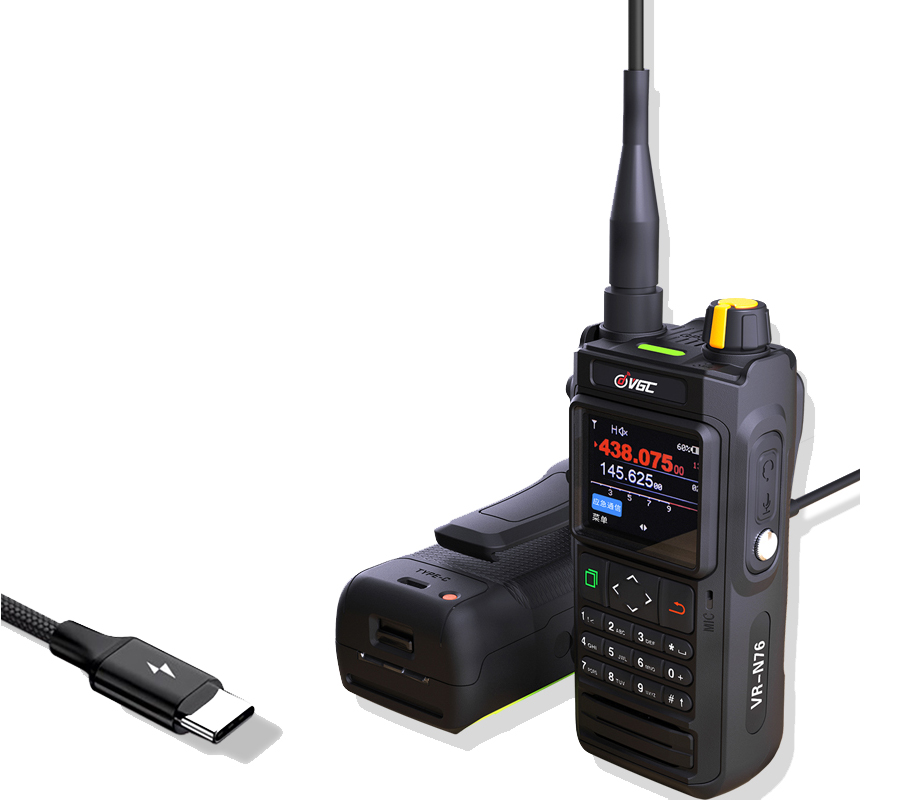
I run two VGC VR-N76 radios, both dedicated to off-roading and Jeep trips. They are not my main EDC radio, that is still the AnyTone, but for the money they are one of the best budget handhelds I have used, and if you have looked at this radio you have probably also seen it sold as the BTech UV-Pro. That is not a coincidence.
Same Radio, Two Badges
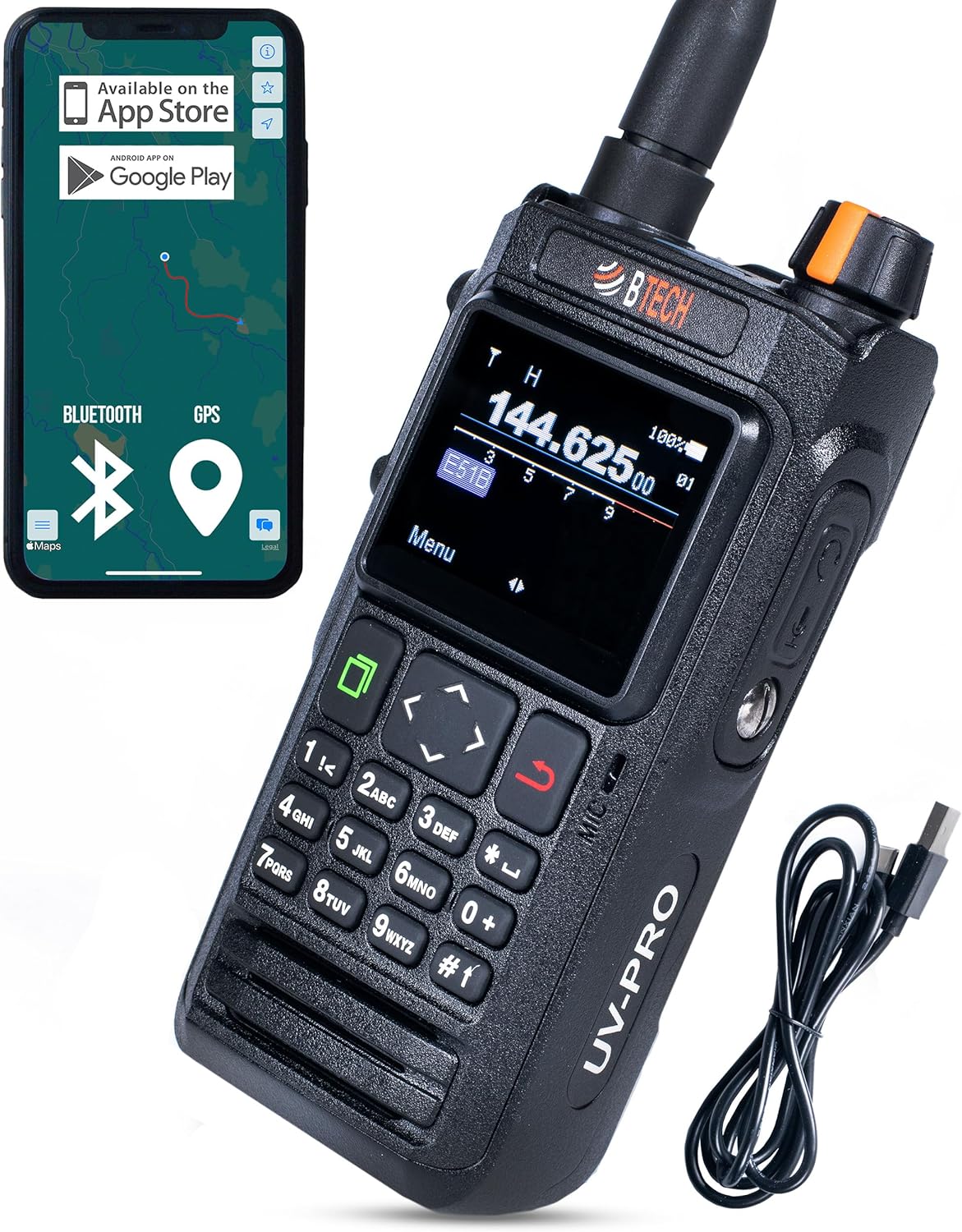
The VR-N76 is made by VGC, and the BTech UV-Pro is Baofeng Tech’s version of the same hardware, badge-engineered for the US market with BTech’s own support behind it. They are close enough that setup guides and accessories are largely interchangeable between the two, so shop based on price, color options, and which brand’s support you would rather deal with, not on any meaningful difference in the radio itself.
- Dual-band VHF/UHF, with the VR-N76 also picking up AM and FM broadcast plus extended UHF for a genuinely useful listening range
- Bluetooth app programming that is quicker and more intuitive than fumbling through a menu on the radio itself
- Built-in GPS and APRS
- IP67 waterproof rating, submersible to 1 meter for 30 minutes, which has mattered more than once on muddy trail days
- 2600mAh battery in both versions
- Adjustable power output on the UV-Pro (2W/5W/7W); the VR-N76 ships at a fixed 7W high power
Why It Is Great for Off-Roading
The app-based Bluetooth programming is what sold me on these for the Jeep. I can add a repeater or a trail net frequency from my phone in the driver’s seat without pulling out a laptop, and the built-in GPS and APRS mean I have location tracking for the group without adding another gadget to the dash. Combined with the IP67 rating, this has been an easy radio to trust when the trail gets messy.
The One Real Catch: No CHIRP Support
Here is the con that matters most before you buy: neither the VR-N76 nor the UV-Pro can be programmed with CHIRP or any traditional cable-and-PC method. Programming happens exclusively through the manufacturer’s Bluetooth app, VGC’s app for the VR-N76 or the BTECH UV Programmer app for the UV-Pro. If you have built your workflow around CHIRP, cloning codeplugs across radios, or programming from a desktop, this radio breaks that workflow entirely. It is a real dealbreaker for some people, and it is worth going in with clear eyes rather than finding out after the return window closes. To be clear, the app itself is genuinely good, arguably more intuitive than CHIRP for a lot of everyday tasks, but “good app” and “no PC programming option” are two different things, and you should decide which one matters more to you before you buy.
Other Small Gripes
Battery life gets reported as middling by some owners, particularly with Bluetooth and GPS left running constantly, so I keep mine turned down when I am not actively tracking. Build quality is solid but not remarkable, this is a budget radio and it feels like one, just a well made one.
How It Compares to the Rest of My Lineup
I cover where the VR-N76 lands next to my Kenwood, AnyTone, and Wouxun handhelds in Six Handheld Radios Compared. If you are also weighing antenna upgrades for a budget radio like this one, HT Antenna Upgrades is the cheapest performance boost you can make on any of them.
The Verdict
Not an EDC radio for me, but for the price it gets the job done, and then some. If app-based programming does not bother you, or you actually prefer it, the VR-N76 and UV-Pro are an easy recommendation for a rugged, feature-rich budget handheld. Just go in knowing that CHIRP is off the table before you decide it is the radio for you.