
Part of our New Ham? This Is Where You Should Spend Your Money guide.
These six radios span almost the entire handheld market, from a $30 impulse buy to a $700 flagship. They’re not really competing with each other so much as covering completely different price tiers and use cases. Here’s how they stack up.
Feature comparison
- Kenwood TH-D75A: tri-band (2m/1.25m/70cm), 5W, D-STAR digital voice with simultaneous dual DV reception, D-STAR reflector terminal mode, built-in GPS with full APRS and standalone digipeater, Bluetooth (headset PTT support), USB-C, microSD slot, wideband multi-mode receive (HF/MW/SW/airband/broadcast, plus SSB/CW), color transflective TFT display, IP54/55, full TNC access for packet and Winlink
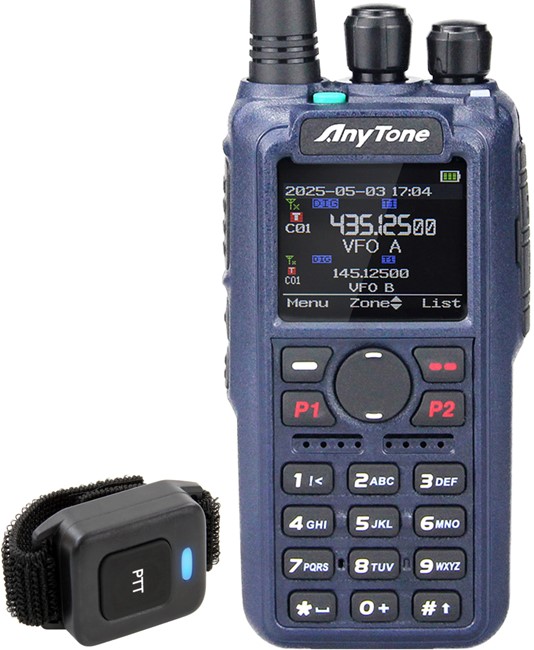
- AnyTone AT-D890UV: dual-band (2m/70cm), 7W, analog FM plus DMR Tier I/II digital with true 2-slot operation, Bluetooth, GPS/APRS over the DMR network, air band AM receive, cross-band repeat, true dual receive, AES-256 encryption, 4,000 channels and 500,000 digital contacts, 1.77″ color TFT, 3100mAh USB-C battery, IP54
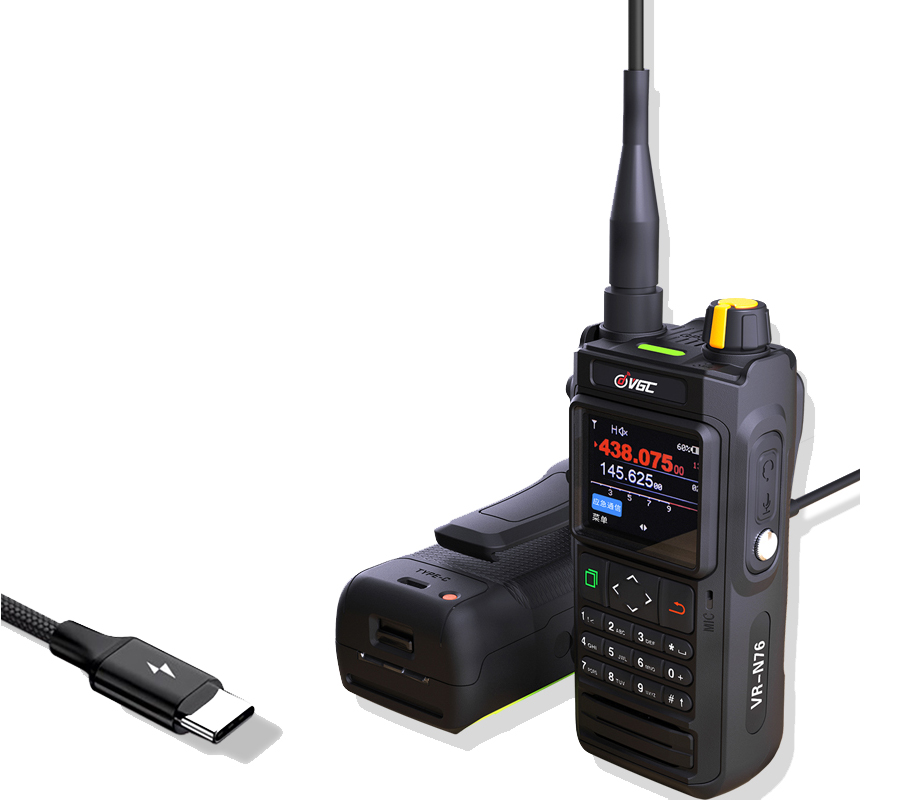
- VGC VR-N76: dual-band (2m/70cm), analog only (no DMR/D-STAR), up to 5-7W, fully app-programmable (no cable needed) via the HT app, Bluetooth, GPS with compass and speedometer, APRS-style position tracking and SMS messaging, SSTV image reception, air band and FM broadcast receive, IP67 waterproof, 2600mAh USB-C battery
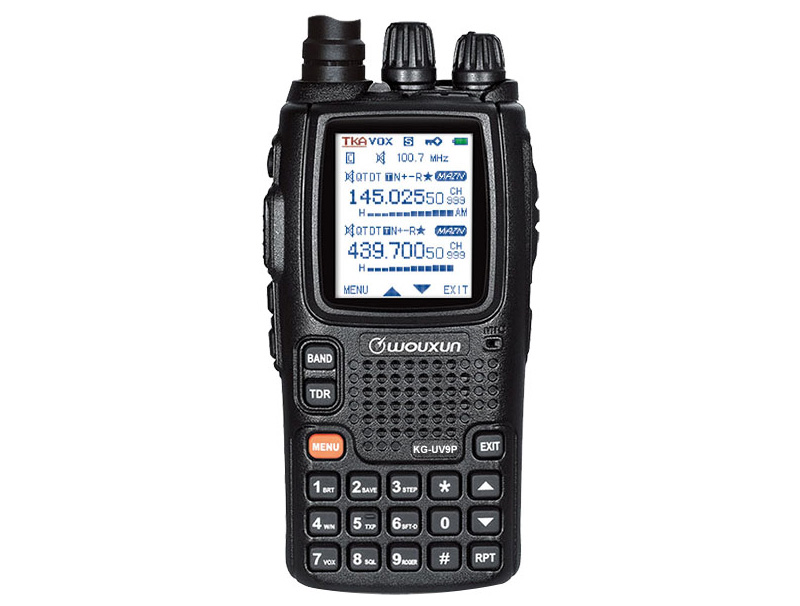
- Wouxun UV-9P: dual-band, up to 7-10W depending on variant, double-conversion superheterodyne receiver (a real step up in RX quality over cheaper radios), wideband 7-band receive, true dual receive, full duplex, 3200mAh USB-C battery, programmable via CHIRP, Wouxun’s own software, or RT Systems
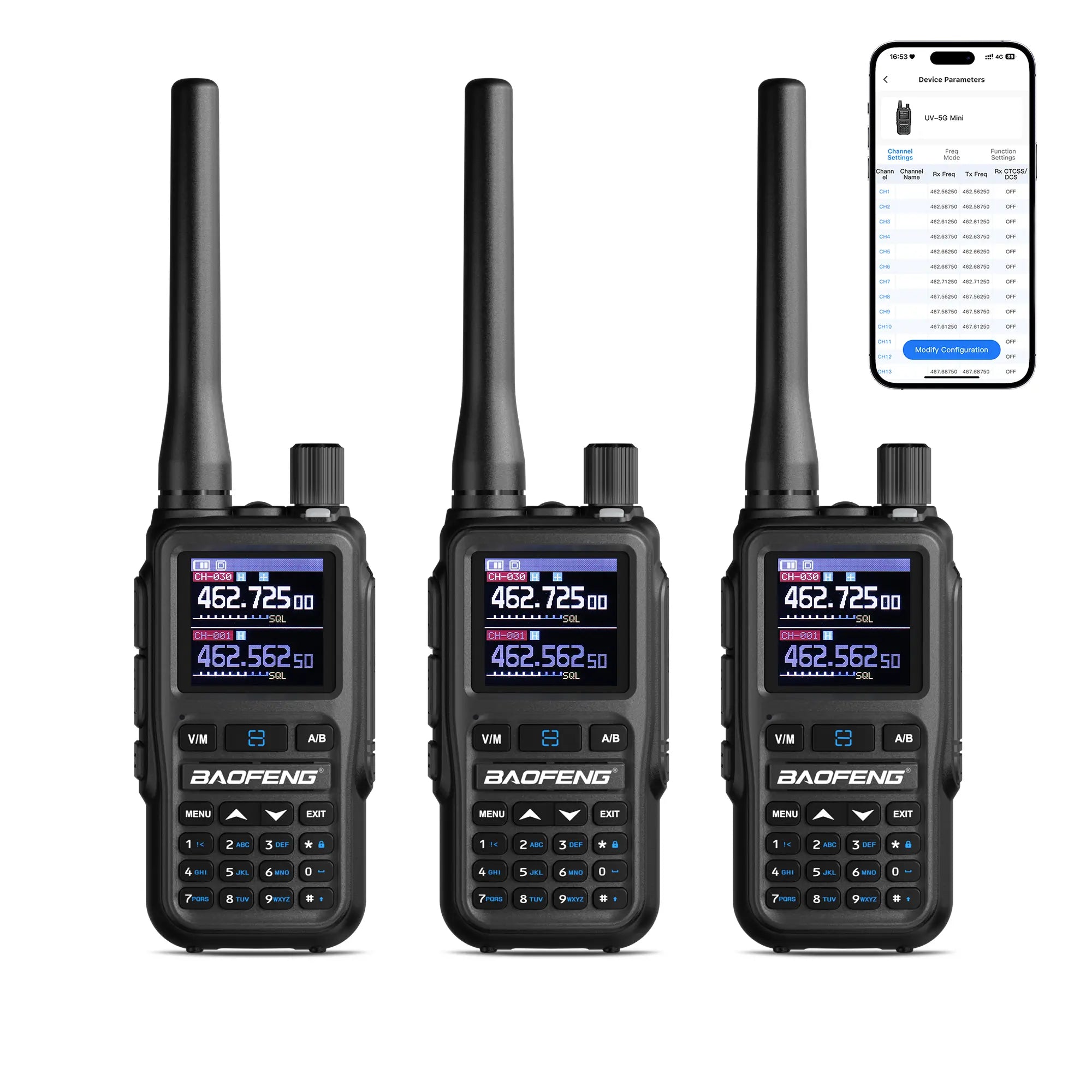
- Baofeng UV-5R Mini: dual-band, selectable 5W/2W, 999 channels, Bluetooth app programming plus USB-C, 1.44″ color display, NOAA/airband/FM broadcast receive, genuinely pocket-sized (about 107 x 52 x 37mm), 1600mAh battery
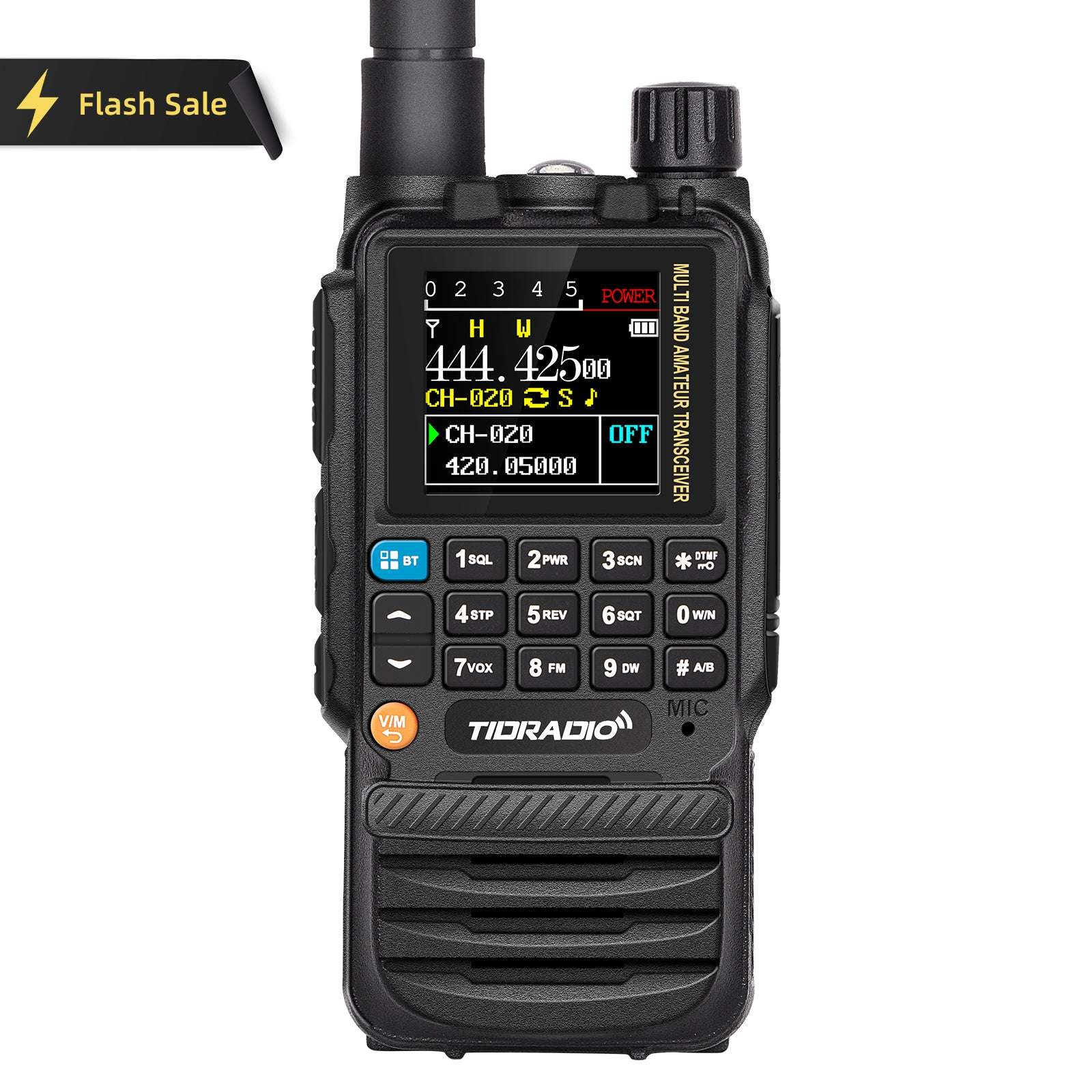
- TIDRADIO H3: tri-band capable (VHF/UHF/1.25m depending on version), 5W, 199 channels, Bluetooth (Odmaster app) and USB-C programming, CHIRP compatible, 2500mAh battery, 1.44″ color LCD, available in HAM or GMRS versions, extremely compact, similar in size to an old Yaesu VX-3
Price comparison
- Baofeng UV-5R Mini: ~$25-30
- TIDRADIO H3: ~$32-40
- Wouxun UV-9P: ~$100-150 depending on variant
- VGC VR-N76: ~$165
- AnyTone AT-D890UV: ~$250
- Kenwood TH-D75A: ~$650-750
Usage comparison
The Baofeng and TIDRADIO sit at the true entry-level end: cheap enough to buy without a second thought, small enough to genuinely carry every day, and simple enough that a brand-new Technician can be on the air within minutes of unboxing. Neither does anything particularly special, but that’s also not really the point.
The Wouxun UV-9P is the step up for someone who wants meaningfully better receive performance and more legitimate build quality without jumping into flagship pricing. The superheterodyne receiver alone puts it in a different class than the budget radios for weak-signal work and rejecting strong nearby signals.
The VGC VR-N76 is aimed at people who want smartphone-native convenience: app-only programming, GPS tracking with a compass and speedometer, and SMS-style messaging between radios, all without touching a digital voice mode. It’s a genuinely different pitch than the others, closer to “analog radio reimagined for phone users” than a traditional HT.
The AnyTone AT-D890UV is built for someone ready to commit to DMR, whether that’s Brandmeister and TGIF via hotspot, local DMR repeaters, or just wanting a single radio that does both analog and digital seriously well with genuine dual-receive and cross-band repeat.
The Kenwood TH-D75A is for the operator who wants D-STAR done right, plus a genuinely capable APRS/GPS/digipeater platform, plus wideband receive good enough to double as a general-coverage scanner and shortwave listening radio. It’s the radio for someone who already knows exactly what they want and isn’t shopping on price.
Why someone might pick one over another
- Budget and simplicity above all: Baofeng UV-5R Mini or TIDRADIO H3, either one gets a new ham on the air for the price of a nice dinner
- Best receive quality for the money, no digital modes needed: Wouxun UV-9P
- Want app-based control, tracking, and messaging without learning DMR or D-STAR: VGC VR-N76
- Committed to DMR and want a serious, full-featured radio for it: AnyTone AT-D890UV
- Want D-STAR, top-tier APRS, and don’t mind paying flagship prices for it: Kenwood TH-D75A
Where I land
My own picks are the AT-D890UV and the TH-D75A, and it’s not really close. The 890 gives you a serious, full-featured DMR radio without the price of the flagships, and the D75A is simply one of the best-executed handhelds on the market if D-STAR and APRS are part of your operating.
I’ll be honest that the Baofeng Mini and the TIDRADIO H3 aren’t radios I reach for. But I also recognize exactly what they’re doing well: they’re cheap enough that a brand-new ham can buy one on a whim, learn to program it, make their first contacts, and decide whether the hobby is for them before spending real money. A lot of people, myself possibly included at one point, got their start on a radio just like these. That’s a legitimate and important role in this hobby, even if it’s not where I personally choose to spend my money now.