Part of our Yaesu FTX-1: The Complete Guide.
A POTA kit and a go-bag aren’t quite the same thing. A POTA kit is planned, you know where you’re going and roughly how long you’ll be there. A go-bag is for when something comes up with little notice, an ARES callout, a spontaneous decision to get on the air, or just wanting to be ready without thinking about it. Here’s what stays packed in mine at all times.
The core that never comes out
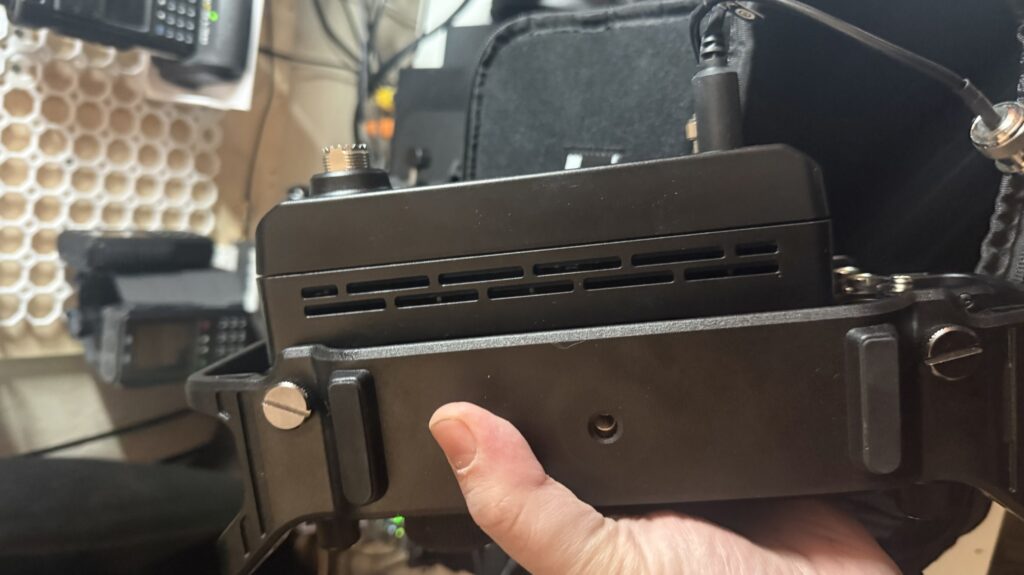
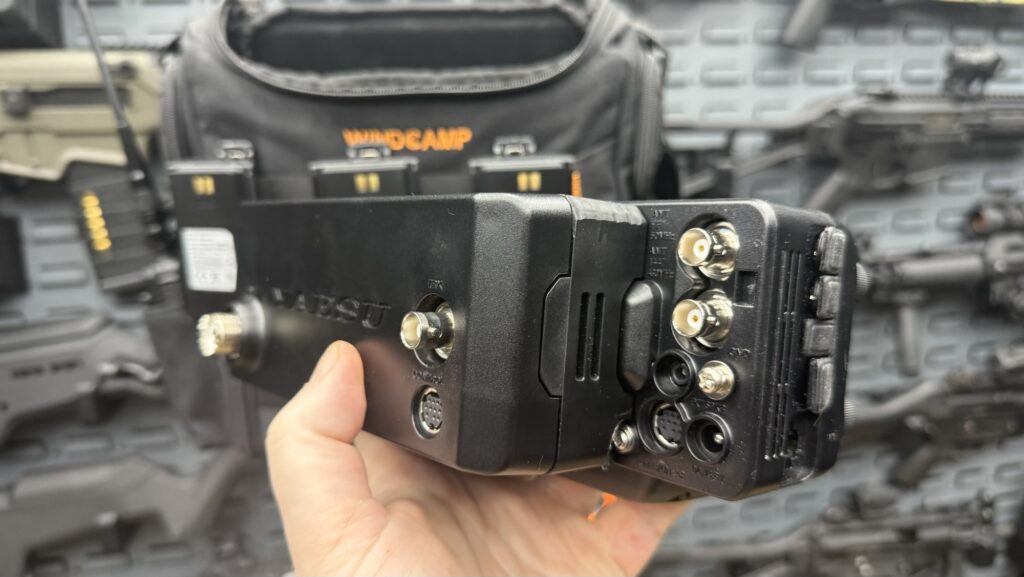
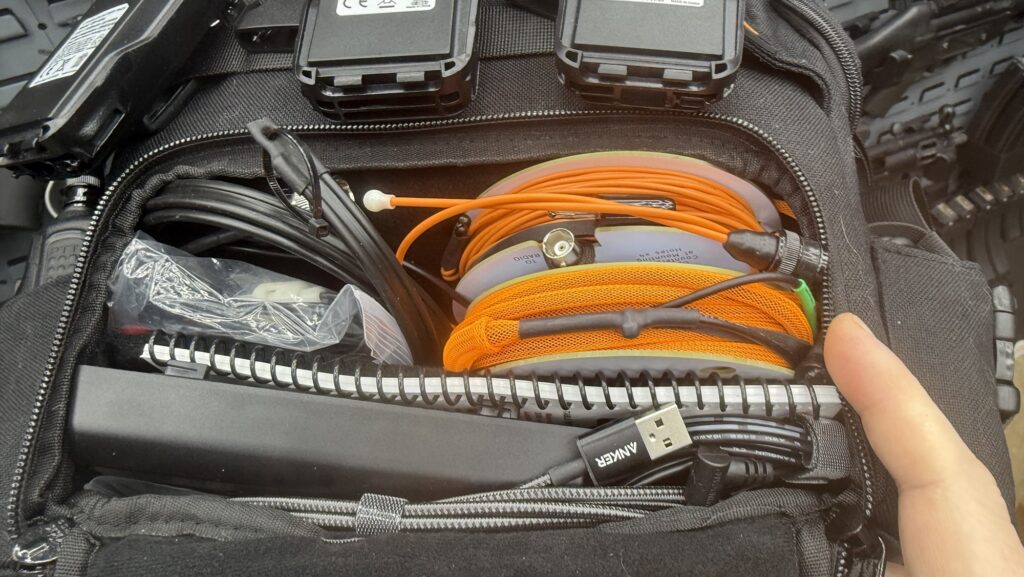
The FTX-1 Field Head has a dedicated bag (I use the Windcamp 705 bag). The items in this bag are not borrowed from the shack and everything but the FTX-1 Field head sits in this bag and is ready when I need it. That’s the whole point of a go-bag, nothing in it should require last-minute assembly.


Power that doesn’t depend on the situation
A smaller 10Ah LiFePO4 pack, not the full 100Ah box, stays in this bag specifically so it’s not borrowed for another project and left half charged. It’s enough for a few hours, which covers a net check-in or a short EmComm task without needing a bigger power plan.
Communication and safety backups
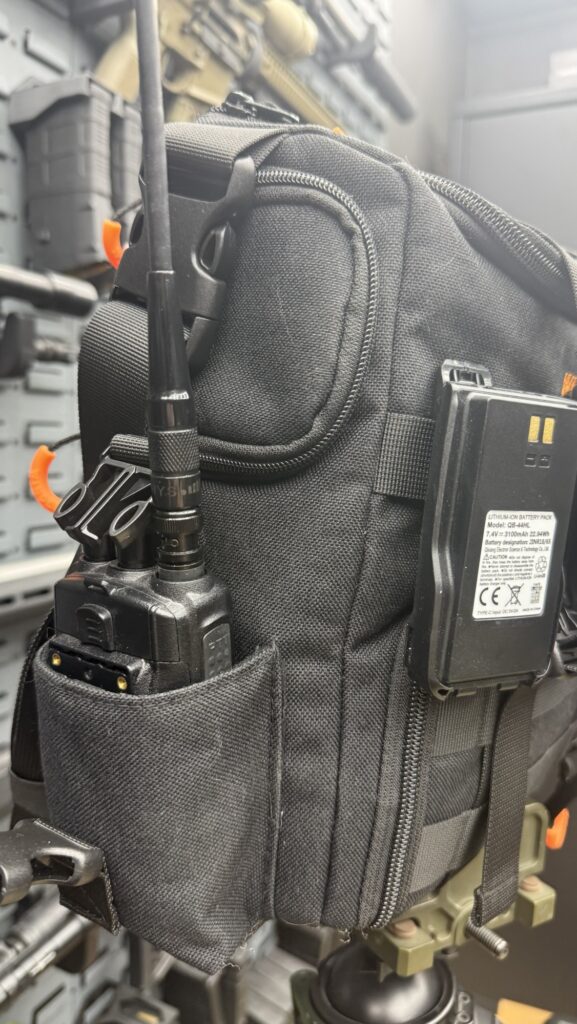
A BridgeCom Maverick rides in this bag, programmed with all of my key analog frequencies, including NOAA weather and the national calling frequencies, since not everything I might need to coordinate on is ham band traffic. It’s GMRS unlocked so I can transmit there if it’s necessary, and three extra USB-C batteries stay in the bag charged and ready alongside it. Paper with pre-written frequencies for local nets, ARES frequencies, and repeater info, since a dead phone shouldn’t mean I’ve lost that reference.
The actual packing list
- FTX-1 Field Head, with the Yaesu Yaesu SBR-52LI battery charged, and its charging cable.
- VHF/UHF antenna 1: Signal Stick, for everyday carry on the FTX-1’s VHF/UHF side.
- VHF/UHF antenna 2: roll-up Slim Jim antenna, for when I need more height than the Signal Stick can give me.
- Tuner: Yaesu FC-80 Tuner
- Antenna 1: Spooltenna Ultra EFHW 4010
- Coax 1: 25′ Spooltenna Coax run
- Dedicated 10Ah LiFePO4 battery, not shared with other gear.
- Manual: FTX-1 Nifty Manual
- Paper reference sheet with local nets, ARES frequencies, and key contacts.
- BridgeCom Maverick, programmed with all key analog frequencies, NOAA weather, and national calling channels, GMRS unlocked, as a secondary communication path.
- 3 extra USB-C charging batteries for the Maverick, so a dead battery is never the reason it stays home.
The discipline that makes it work
The only rule that actually matters with a go-bag is that nothing gets borrowed out of it for regular use. The first time you grab it and the battery’s dead because you used it for something else last week is the last time you trust it. Keep it separate, check it monthly, and it’ll actually do its job when you need it to.
Go-Bag vs. Go-Box
I’ve since built a hard-case FTX-1 go-box for the Optima setup with the SPA-1 amp. Here’s how the two compare.
| Go-Box (FTX-1 Optima) | Go-Bag (FTX-1 Field) | |
|---|---|---|
| Weight | 16.5 lbs | 10 lbs (without the Maverick) |
| Size | 12″ x 12″ x 7″ | 10″ x 10″ x 4″ |
| Power output | 100 W HF, 50 W VHF/UHF | 10 W |
| Power source | No battery included. Runs off my 100Ah battery box | Two batteries for the FTX-1 Field included |
| Protection | Watertight hard case | Soft bag, no drop protection, minimal water resistance |
The bag is lighter, smaller, and carries its own power, so it’s still what I grab for a hike-in activation or a quick callout. The box trades weight and an external battery for ten times the HF power and protection that survives the back of a vehicle.