
Part of our New Ham? This Is Where You Should Spend Your Money guide.
These six radios span almost the entire handheld market, from a $30 impulse buy to a $700 flagship. They’re not really competing with each other so much as covering completely different price tiers and use cases. Here’s how they stack up.
Feature comparison
- Kenwood TH-D75A: tri-band (2m/1.25m/70cm), 5W, D-STAR digital voice with simultaneous dual DV reception, D-STAR reflector terminal mode, built-in GPS with full APRS and standalone digipeater, Bluetooth (headset PTT support), USB-C, microSD slot, wideband multi-mode receive (HF/MW/SW/airband/broadcast, plus SSB/CW), color transflective TFT display, IP54/55, full TNC access for packet and Winlink
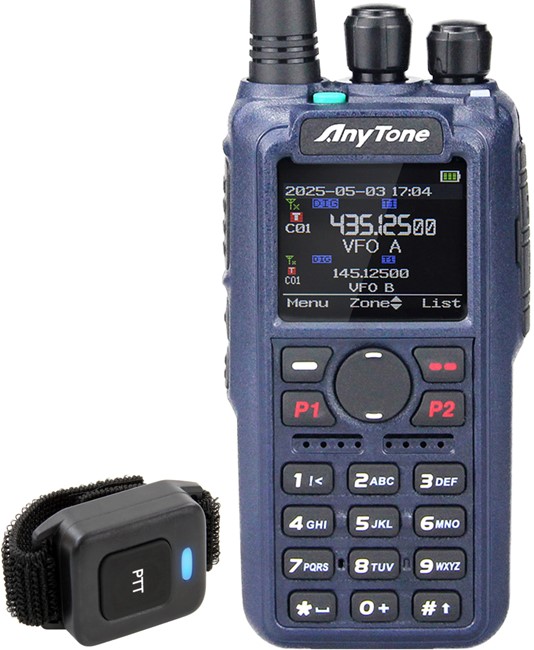
- AnyTone AT-D890UV: dual-band (2m/70cm), 7W, analog FM plus DMR Tier I/II digital with true 2-slot operation, Bluetooth, GPS/APRS over the DMR network, air band AM receive, cross-band repeat, true dual receive, AES-256 encryption, 4,000 channels and 500,000 digital contacts, 1.77″ color TFT, 3100mAh USB-C battery, IP54
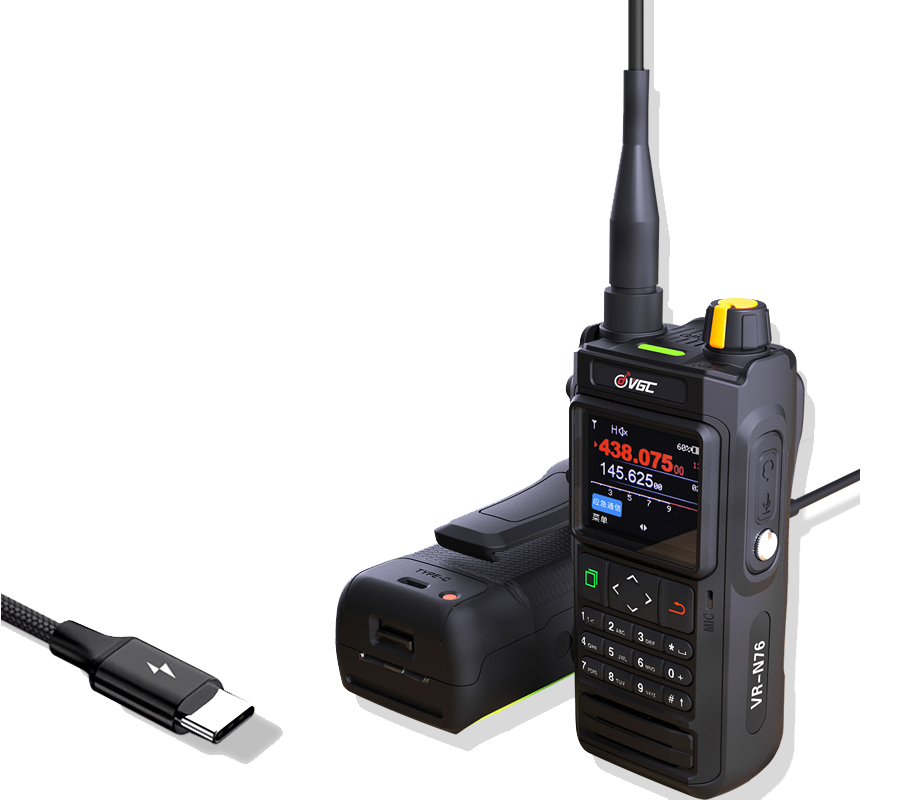
- VGC VR-N76: dual-band (2m/70cm), analog only (no DMR/D-STAR), up to 5-7W, fully app-programmable (no cable needed) via the HT app, Bluetooth, GPS with compass and speedometer, APRS-style position tracking and SMS messaging, SSTV image reception, air band and FM broadcast receive, IP67 waterproof, 2600mAh USB-C battery
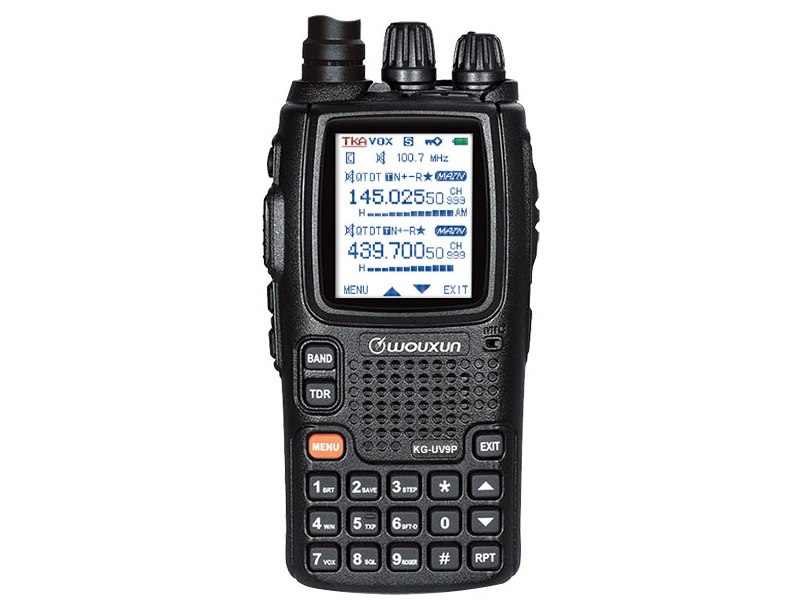
- Wouxun UV-9P: dual-band, up to 7-10W depending on variant, double-conversion superheterodyne receiver (a real step up in RX quality over cheaper radios), wideband 7-band receive, true dual receive, full duplex, 3200mAh USB-C battery, programmable via CHIRP, Wouxun’s own software, or RT Systems
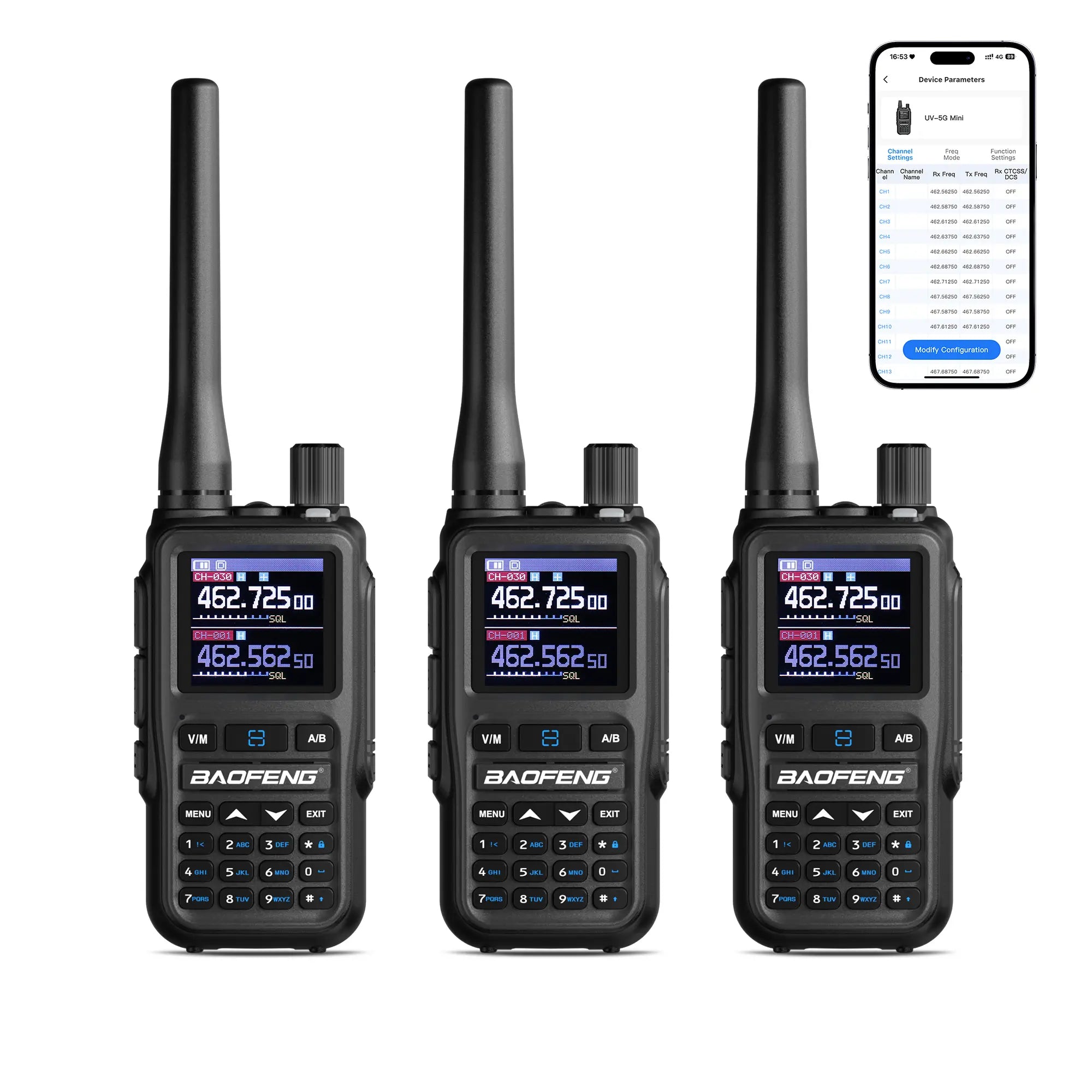
- Baofeng UV-5R Mini: dual-band, selectable 5W/2W, 999 channels, Bluetooth app programming plus USB-C, 1.44″ color display, NOAA/airband/FM broadcast receive, genuinely pocket-sized (about 107 x 52 x 37mm), 1600mAh battery
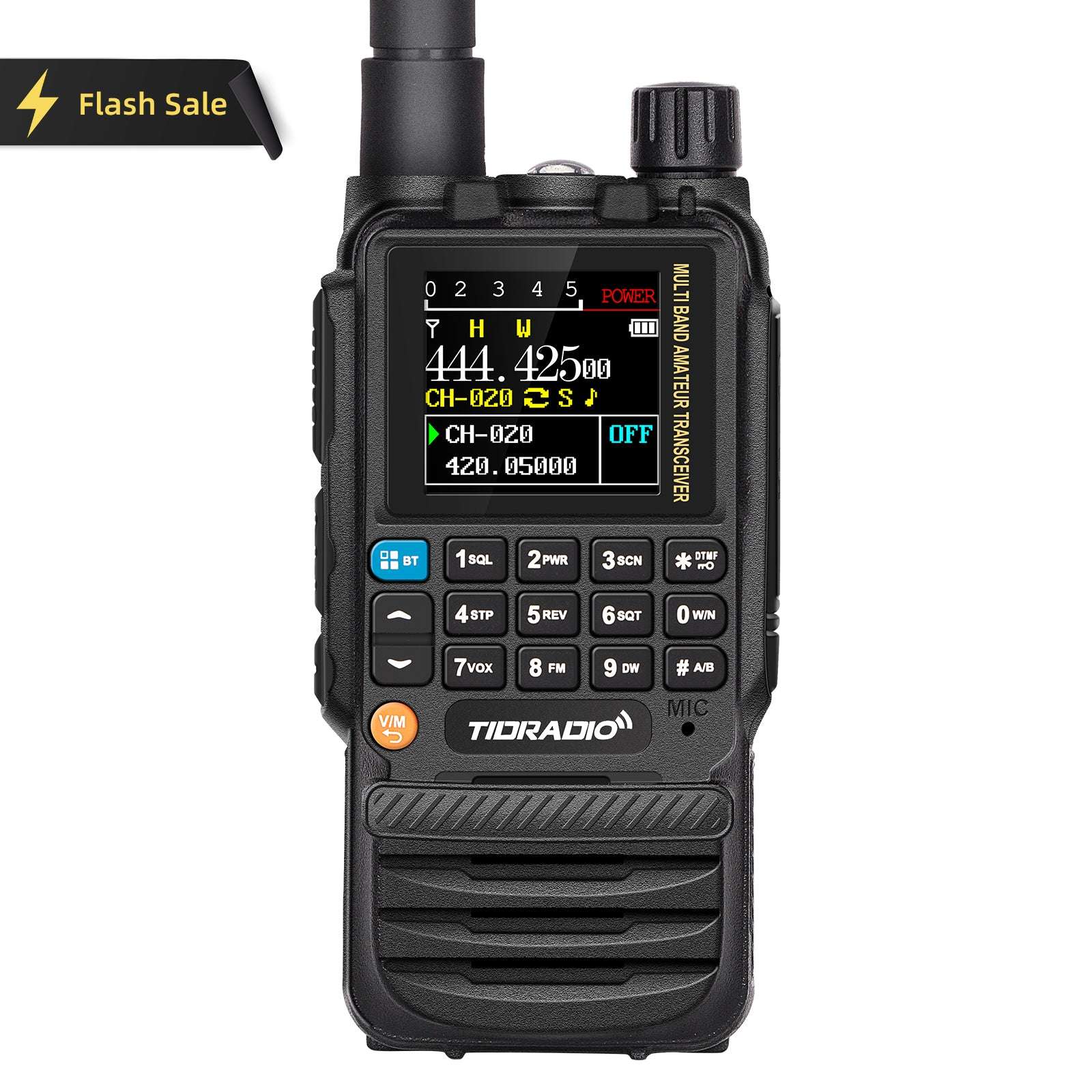
- TIDRADIO H3: tri-band capable (VHF/UHF/1.25m depending on version), 5W, 199 channels, Bluetooth (Odmaster app) and USB-C programming, CHIRP compatible, 2500mAh battery, 1.44″ color LCD, available in HAM or GMRS versions, extremely compact, similar in size to an old Yaesu VX-3
Price comparison
- Baofeng UV-5R Mini: ~$25-30
- TIDRADIO H3: ~$32-40
- Wouxun UV-9P: ~$100-150 depending on variant
- VGC VR-N76: ~$165
- AnyTone AT-D890UV: ~$250
- Kenwood TH-D75A: ~$650-750
Usage comparison
The Baofeng and TIDRADIO sit at the true entry-level end: cheap enough to buy without a second thought, small enough to genuinely carry every day, and simple enough that a brand-new Technician can be on the air within minutes of unboxing. Neither does anything particularly special, but that’s also not really the point.
The Wouxun UV-9P is the step up for someone who wants meaningfully better receive performance and more legitimate build quality without jumping into flagship pricing. The superheterodyne receiver alone puts it in a different class than the budget radios for weak-signal work and rejecting strong nearby signals.
The VGC VR-N76 is aimed at people who want smartphone-native convenience: app-only programming, GPS tracking with a compass and speedometer, and SMS-style messaging between radios, all without touching a digital voice mode. It’s a genuinely different pitch than the others, closer to “analog radio reimagined for phone users” than a traditional HT.
Worth noting: the VR-N76 shares its hardware platform with the BTech UV-Pro, same PCB, same OEM design out of VGC, just rebranded and tweaked by BTech for the US market. They are not identical, though. Firmware, GPS lock performance, and included accessories differ between the two, the VR-N76 receives a wider band overall (extended UHF plus AM airband and FM broadcast), while the UV-Pro’s standout extra is built-in NOAA weather alerts. Memory channels are close either way, 192 on the VR-N76 versus 180 on the UV-Pro.
The AnyTone AT-D890UV is built for someone ready to commit to DMR, whether that’s Brandmeister and TGIF via hotspot, local DMR repeaters, or just wanting a single radio that does both analog and digital seriously well with genuine dual-receive and cross-band repeat.
The Kenwood TH-D75A is for the operator who wants D-STAR done right, plus a genuinely capable APRS/GPS/digipeater platform, plus wideband receive good enough to double as a general-coverage scanner and shortwave listening radio. It’s the radio for someone who already knows exactly what they want and isn’t shopping on price.
Why someone might pick one over another
- Budget and simplicity above all: Baofeng UV-5R Mini or TIDRADIO H3, either one gets a new ham on the air for the a cheap price
- Best receive quality for the money, no digital modes needed: Wouxun UV-9P
- Want app-based control, tracking, and messaging without learning DMR or D-STAR: VGC VR-N76
- Committed to DMR and want a serious, full-featured radio for it: AnyTone AT-D890UV
- Want D-STAR, top-tier APRS, and don’t mind paying flagship prices for it: Kenwood TH-D75A
Where I land
My own picks are the AT-D890UV and the TH-D75A, and it’s not really close. The 890 gives you a serious, full-featured DMR radio without the price of the flagships, and the D75A is simply one of the best-executed handhelds on the market if D-STAR and APRS are part of your operating.
I’ll be honest that the Baofeng Mini and the TIDRADIO H3 aren’t radios I reach for. But I also recognize exactly what they’re doing well: they’re cheap enough that a brand-new ham can buy one on a whim, learn to program it, make their first contacts, and decide whether the hobby is for them before spending real money. A lot of people, myself possibly included at one point, got their start on a radio just like these. That’s a legitimate and important role in this hobby, even if it’s not where I personally choose to spend my money now.